
Wisdom Teeth in Teenagers: 2026 Update
Reviewed by Dr. David Sentelle, DMD, PhD, MPH
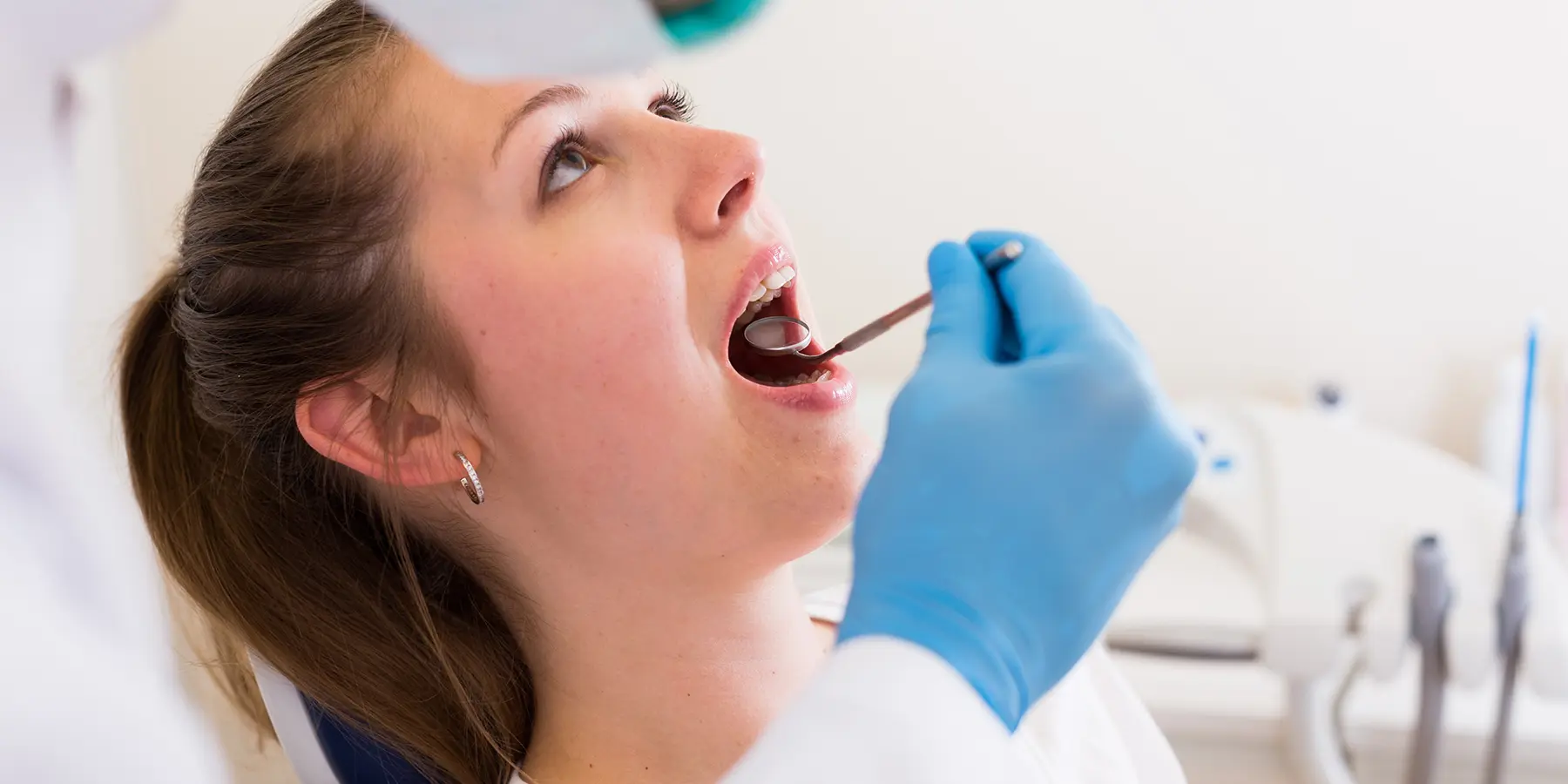
Wisdom teeth often begin developing during the teenage years, even before symptoms appear. While some teens have no issues, others may experience pressure on nearby teeth or teeth that remain trapped below the gums. Because these changes happen gradually, pediatric dentists use routine exams and imaging to monitor development and identify potential concerns early.
We care for growing smiles in Frisco, McKinney, and Prosper, TX with gentle, kid-focused dental care.
What Are Wisdom Teeth and When Do They Appear?
Wisdom teeth, clinically known as third molars, are the final set of permanent teeth to develop. Dentists typically begin monitoring them during the early teenage years, even though they may not fully erupt for several more years.
Most teens develop four wisdom teeth, two in the top and two in the bottom. While the crowns begin forming in the mid-teen years, full root development often continues into the early 20s. That timing plays a major role in treatment decisions.
Why Wisdom Teeth Commonly Cause Problems in Teens
Before symptoms appear, dentists can identify potential issues through routine exams and X-rays. The most common concern involves lack of space. When the jaw cannot accommodate these extra teeth, problems can develop gradually.
These issues include:
- Teeth growing at an angle
- Partial eruption through the gums
- Teeth becoming trapped in bone
When a tooth cannot erupt into a healthy position, dentists refer to it as impacted.
Types of Wisdom Tooth Impaction
Dentists classify impaction based on how much of the tooth has erupted and what blocks its path. Understanding the type helps guide treatment planning.
Soft Tissue Impaction
In this situation, the tooth breaks through the jawbone but remains partially covered by gum tissue. Food and bacteria can collect under the gum flap, increasing the risk of infection and swelling.
Partial Bony Impaction
Here, part of the tooth emerges, but a portion remains trapped under bone and gum. Cleaning becomes difficult, and infections occur more frequently.
Complete Bony Impaction
The tooth remains fully encased in the jawbone and never erupts. These teeth may stay symptom-free for years but still pose long-term risks to nearby teeth and bone.
Why Dentists Often Recommend Removal During the Teen Years
Dentists no longer recommend automatic removal for every teen. Instead, they focus on risk prevention.
Removal may be advised when wisdom teeth increase the likelihood of:
- Recurrent infections around the gums
- Damage to neighboring molars
- Cyst formation or bone loss
- Difficulty maintaining proper hygiene
Teenagers often recover more quickly than adults because:
- Roots are less developed
- Jawbone is less dense
- Healing tends to be faster and more predictable
What Is the Best Age to Remove Wisdom Teeth?
There is no single “perfect” age, but most evaluations occur between ages 13 and 18.
Dentists use X-rays to assess:
- Tooth position
- Root development
- Available jaw space
- Risk of future complications
When removal is recommended, earlier treatment often leads to an easier recovery compared to waiting until adulthood.
Schedule a Wisdom Teeth Evaluation for Your Teen
While we do not remove wisdom teeth, we monitor their development during routine visits and help families understand what to expect. If concerns arise, we guide you on the right time to see an oral surgeon.
To book an appointment at our pediatric dental office in Prosper, TX, call (469) 228-4402, request an appointment online, or visit us at 240 S. Preston Road, Suite 10 Prosper, TX 75078.
📍Other locations
Lonestar Kid’s Dentistry in Frisco, TX
Lonestar Kid’s Dentistry in McKinney, TX
FAQ
An impacted wisdom tooth can remain trapped beneath the gums or bone and may not cause immediate pain. Over time, however, it can contribute to dental problems such as pressure on nearby teeth, inflammation, or infection.
When wisdom teeth partially erupt or sit at an angle, they can be difficult to clean properly. Bacteria and food debris may accumulate around these areas, increasing the risk of gum disease and tooth decay in both the wisdom tooth and the neighboring molar.
Staying consistent with dental check-ups allows dentists to track development and identify concerns early. This proactive approach helps prevent avoidable complications and supports better long-term outcomes.
Wisdom teeth that begin to erupt after orthodontic treatment can contribute to tooth movement in some teens, especially when there is limited space in the jaw. The pressure from erupting wisdom teeth may affect nearby teeth, including those that were previously straightened.