
Teen Oral Health: What Parents Need to Know to Protect Their Teen’s Smile
Reviewed by Dr. David Sentelle, DMD, PhD, MPH
Adolescence brings important changes that affect dental health. Hormonal fluctuations can impact the gums, orthodontic treatment requires extra care, and busy schedules often lead to skipped brushing or flossing. Even small lapses during the teen years can set the stage for long-term dental problems.
We care for growing smiles in Frisco, McKinney, and Prosper, TX with gentle, kid-focused dental care.
Key Takeaway
Encourage good oral hygiene habits from an early age. Teach your teen about oral hygiene and why it is so important. Explain that neglecting oral hygiene will lead to future problems that will cost YOU money to fix. With your support and regular dental checkups, your teen will be set for a lifetime of strong teeth and healthy habits!
Oral Health During the Teen Years
Adolescence plays a critical role in long-term dental health. Most permanent teeth are already in place, but the mouth continues to change. Teens also begin taking more responsibility for their own care, which can lead to inconsistent habits.
Parents who stay involved during these years can help prevent issues that often follow teens into adulthood, including tooth decay, gum disease, and avoidable dental emergencies.
Learn More About Teen Dental Care
How Puberty Affects Oral Health
Hormonal changes during puberty affect more than mood and physical growth. They also influence how the gums respond to plaque and bacteria, which can increase the risk of inflammation even when brushing appears consistent.
During this stage, common changes include:
- Increased gum sensitivity, with gums appearing red, swollen, or more prone to bleeding.
- Higher risk of gingivitis, as plaque triggers stronger inflammatory responses.
- Persistent bad breath, often linked to bacteria on the tongue or inconsistent hygiene.
- Changes in gum tissue, which may expose tooth surfaces and increase sensitivity.
Consistent daily care and regular dental visits are especially important during this phase of development.
Daily Oral Hygiene Habits That Support Healthy Teeth
Strong daily routines help prevent dental problems, but brushing and flossing often get rushed as schedules fill up. Parents can support healthy habits by making sure the right tools are always available, such as replacing toothbrushes every three months and keeping floss and toothpaste stocked.
Proper Brushing Technique
- Use a soft-bristled or electric toothbrush
- Brush twice daily for two full minutes
- Clean all surfaces: front, back, and chewing areas
- Angle the brush toward the gumline to remove plaque
- Brush the tongue to reduce odor-causing bacteria
- Use fluoride or nano-hydroxyapatite toothpaste to strengthen enamel
Flossing and Rinsing
- Floss at least once daily to remove trapped food and plaque
- Choose a flossing method that is most likely to be used consistently: string floss, interdental brushes, flossers or a water flosser are all great options!
- Only use mouthwash if recommended by their dentist
- Pay extra attention around braces or tight tooth spacing
How Diet Affects Dental Health
What is eaten and consumed throughout the day has a direct impact on enamel strength and cavity risk. Frequent snacking, sugary drinks, and sports beverages expose teeth to repeated acid attacks that wear down enamel over time.
Foods That Support a Healthy Smile
- Dairy products for calcium and enamel strength
- Leafy greens for gum-supporting nutrients
- Crunchy fruits and vegetables to stimulate saliva
Foods To Limit or Avoid
- Soda, energy drinks, and sweetened coffee drinks
- Sticky candies and frequent sugary snacks
- Starchy chips that cling to teeth
Educating your teen on cavity-causing foods and drinks encourages smarter choices without requiring strict restrictions.
Oral Hygiene During Orthodontic Treatment
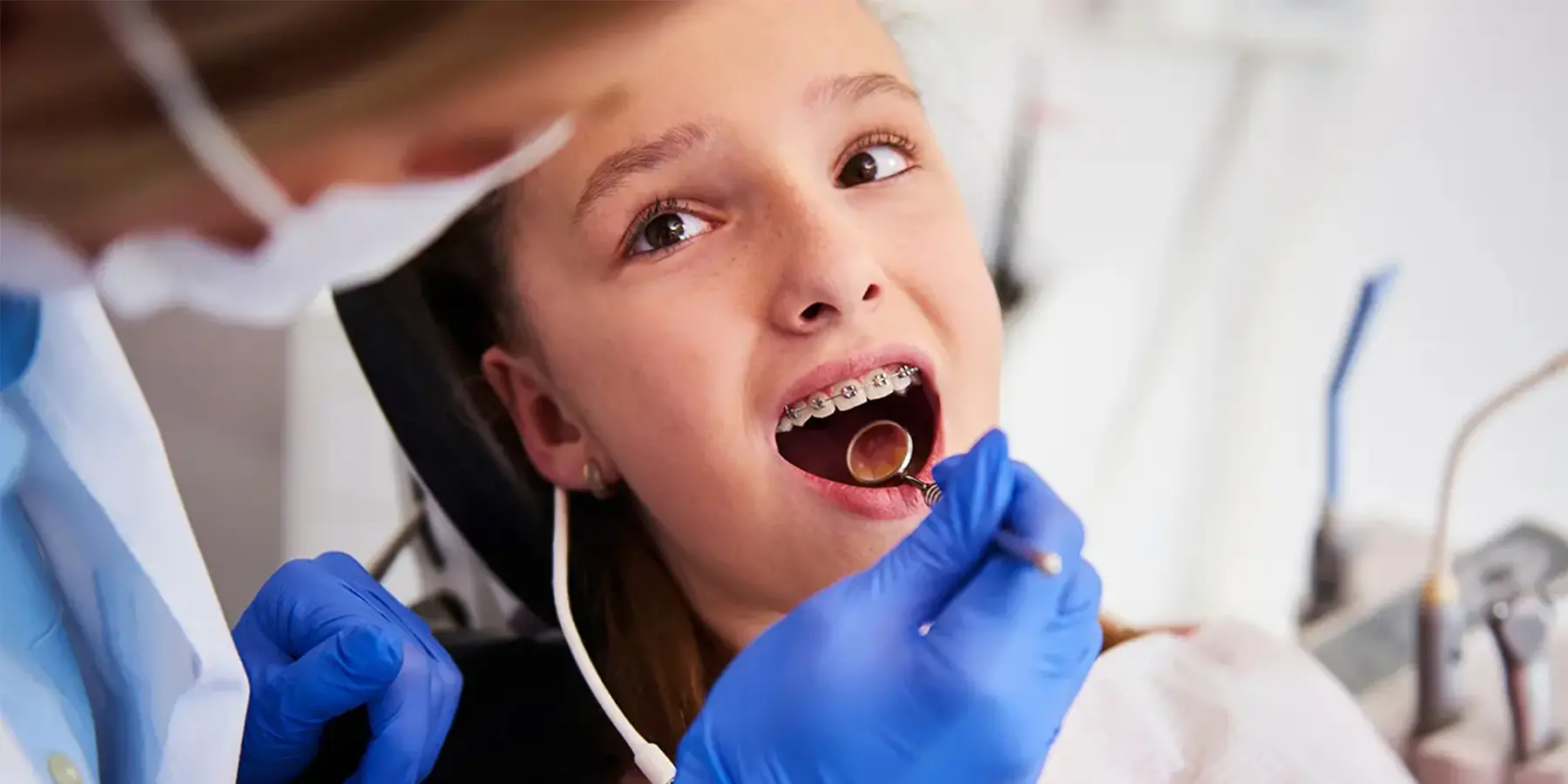
Extra attention to brushing and flossing during this time helps protect enamel around brackets, wires, and retainers. Make sure to schedule regular dental cleanings throughout orthodontic treatment to help prevent cavities and gum disease.
Helpful habits during braces treatment include:
- Brush carefully around brackets, wires, and along the gumline
- Use floss threaders or water flossers to clean between teeth and under wires
- Rinse with water after meals to help wash away food particles
- Avoid sticky or hard foods that are difficult to remove from brackets
- Replace toothbrushes more often as bristles wear down faster with braces
Protecting the Mouth During Sports
Many teens play contact or high-impact sports. Without protection, dental injuries can happen quickly.
Custom sports mouthguards help prevent:
- Broken or knocked-out teeth
- Lip and cheek injuries
- Jaw trauma
A custom mouthguard offers better protection and comfort than store-bought options.
Lonestar Kid’s Dentistry: Supporting You and Your Teen
At Lonestar Kid’s Dentistry, we help teens build strong oral habits while guiding parents through every stage of development. Our team understands the unique challenges of adolescent dental care and works closely with families to protect growing smiles.
To book an appointment at our pediatric dental office in Frisco, call (214) 618-5200 or visit us at 6801 Warren Parkway, Ste 115, Frisco, TX.
📍Other locations
Lonestar Kid’s Dentistry in McKinney, TX
Lonestar Kid’s Dentistry in Prosper, TX
FAQ
Teens tend to respond well when they understand the reasons behind daily care. Explain why keeping a good oral hygiene routine is important. If they know what causes cavities, how much restorative treatments cost, and how oral hygiene affects the rest of the body, they will be more likely to have a good oral hygiene routine.
Electric toothbrushes, floss picks, water flossers, and orthodontic brushes can make daily cleaning more efficient, especially for those with braces or tight spacing.
Many over-the-counter whitening products are not recommended for younger patients and can increase sensitivity or irritate the gums. Professional whitening treatments are the safest, and most effective options.
There is no specific age. Many children can begin using adult toothpaste around ages 6 to 8, once they have good brushing control, can spit reliably, and avoid swallowing toothpaste.