
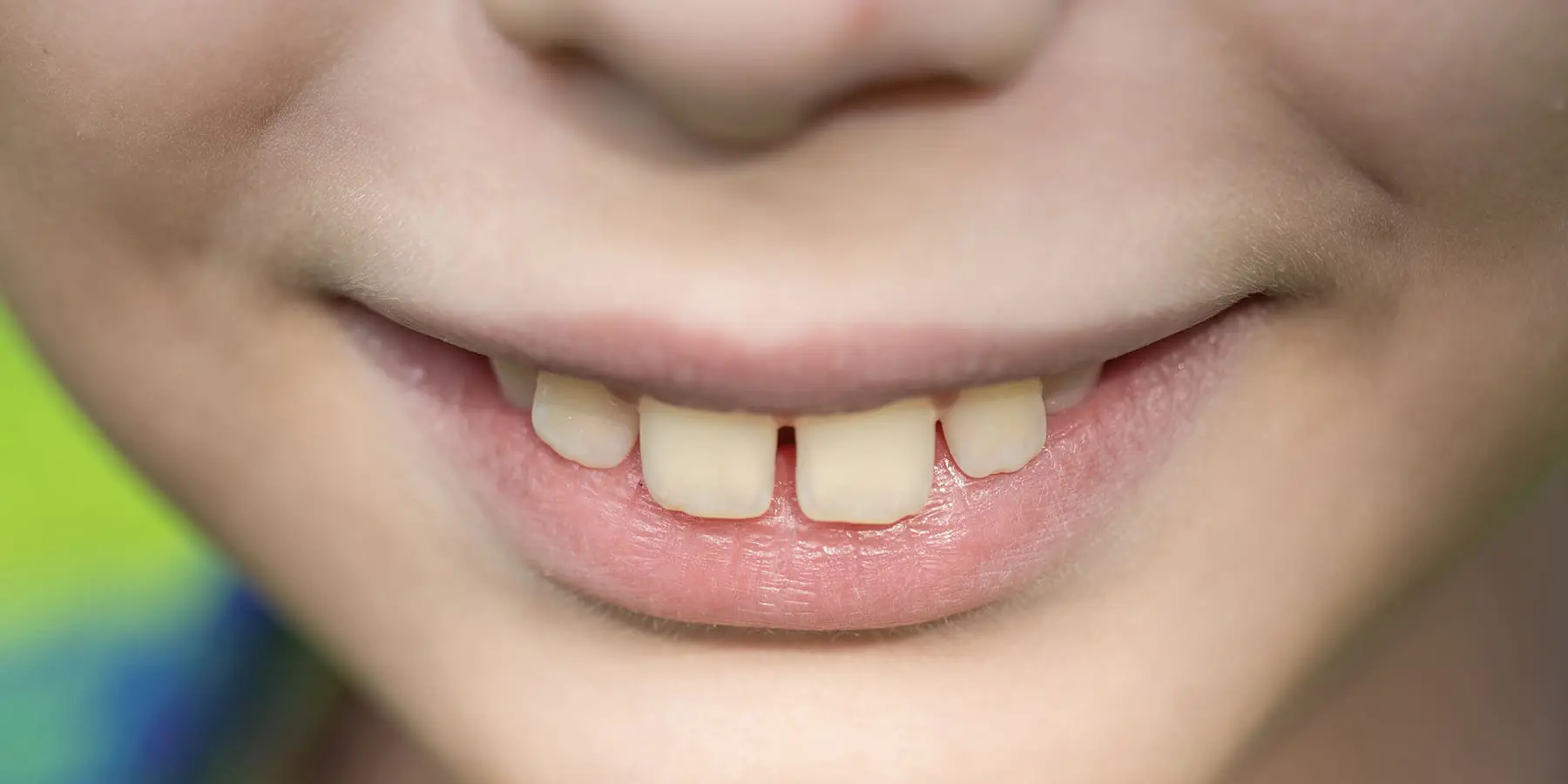
Normal Bite vs Overbite: How to Tell The Difference
Reviewed by Dr. David Sentelle, DMD, PhD, MPH
Your bite affects how you chew, speak, and maintain long-term oral health. Understanding the difference between a normal bite and an overbite helps you know when something may need evaluation.
We care for growing smiles in Frisco, McKinney, and Prosper, TX with gentle, kid-focused dental care.
What Does a Normal Bite Look Like?
Every child’s bite develops a little differently, so a normal bite will not look exactly the same for everyone. However, there are general characteristics that help indicate healthy bite alignment.
In a normal bite, the upper front teeth sit slightly over the lower front teeth, typically covering about 1 to 3 millimeters. The upper and lower teeth also fit together evenly when biting down, and jaw movement should feel comfortable when chewing or speaking.
A normal bite generally has these characteristics:
- Upper teeth slightly overlapping the lower teeth
- Back teeth fitting together evenly
- Teeth aligned without significant crowding or spacing
- Comfortable jaw movement during chewing and speaking
This type of alignment helps distribute pressure evenly across the teeth and supports long term oral health.
What Does an Overbite Look Like?
An overbite occurs when the upper front teeth cover more than about 30 to 50 percent of the lower front teeth when biting down. This means the lower front teeth may appear partially hidden or significantly covered by the upper teeth.
The amount of overlap can vary:
- In mild cases, the upper teeth cover slightly more than half of the lower teeth.
- In more pronounced cases, the lower front teeth may be mostly hidden behind the upper teeth.
- In severe overbites, the lower teeth may contact the gums behind the upper teeth or the roof of the mouth.
The greater the overlap, the more likely it is to affect how the teeth function and how pressure is placed on certain teeth over time.
What Causes an Overbite?
Several factors can influence how a bite develops. These may include:
- Genetics and jaw size
- Thumb sucking or prolonged pacifier use
- Tongue positioning habits
- Early loss of baby teeth
- Delayed or abnormal tooth eruption
These factors can affect how the upper and lower jaws grow and how teeth align over time.
Does an Overbite Need to Be Corrected?
An overbite can affect more than appearance. When the upper and lower teeth do not come together properly, extra pressure can be placed on certain teeth and areas of the jaw. Over time, this may affect how teeth wear and how comfortably the bite functions.
Correcting a more noticeable overbite can help support long term oral health and comfort. In growing children and teens, early evaluation also allows bite development to be monitored as the jaws and permanent teeth continue to develop.
Addressing an overbite may help:
- Reduce uneven wear on the front teeth
- Lower strain on the jaw and surrounding muscles
- Improve how the teeth come together when biting and chewing
- Decrease the risk of gum irritation or soft tissue contact
- Support balanced jaw growth during development
Not every overbite requires correction, but monitoring bite alignment over time helps determine when treatment may be helpful. Early evaluation allows care to be planned at the most appropriate stage of growth.
Overbite Treatment Options
Treatment depends on a child’s age, stage of growth, and the severity of the bite. In many cases, treatment focuses on guiding jaw development and improving how the upper and lower teeth come together.
Common treatment options may include:
- Braces to gradually move teeth into better alignment
- Clear aligners for mild to moderate overbites
- Growth guidance appliances in younger children while the jaw is still developing
- Bite correction appliances used with braces in some cases
In some cases, treatment may not be needed right away. Regular dental visits allow bite development to be monitored and help determine the most appropriate timing if correction becomes necessary.
Monitoring Bite Development As Your Child Grows
At Lonestar Kid’s Dentistry, bite alignment is evaluated during routine exams along with overall oral health. When needed, patients are referred to an orthodontic specialist for further assessment and overbite treatment planning.
This approach helps ensure that timing and treatment decisions are appropriate for each stage of development.
Dental Checkup in McKinney, TX
If you have concerns about how your child’s teeth come together, a dental evaluation can provide clarity and next steps.
To book an appointment at our pediatric dental office in McKinney, TX, call (214) 436-5555 or visit us at 5323 W University Dr #100, McKinney, Texas.
📍 Other locations
Lonestar Kid’s Dentistry in Frisco, TX
Lonestar Kid’s Dentistry in Prosper, TX
FAQs
Mild overbites may improve as jaw growth continues, but more significant cases usually require evaluation and possible orthodontic treatment.
A deep bite is a more severe type of overbite where the upper teeth cover too much of the lower teeth, sometimes causing the lower teeth to contact the roof of the mouth or gums.
Prolonged pacifier use can contribute to an overbite, especially if used beyond the toddler years. Frequent sucking pressure can influence how the teeth and jaws develop over time.