
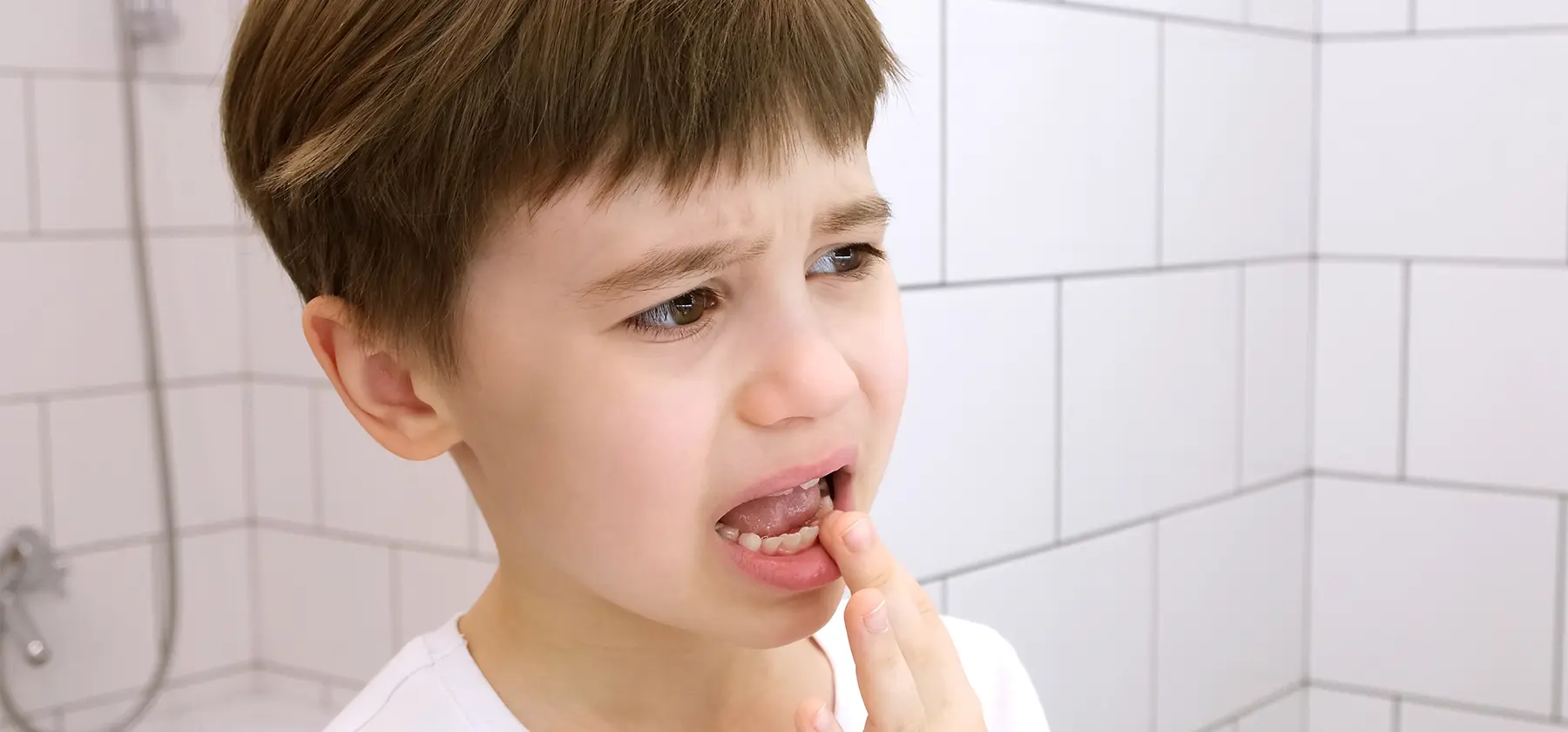
How to Stop Dry Mouth Caused by Diabetes in Children
Reviewed by Dr. David Sentelle, DMD, PhD, MPH
Dry mouth is a common issue for children with diabetes and often shows up as increased thirst or ongoing mouth discomfort. While it may seem minor at first, reduced saliva can raise the risk of cavities, gum problems, and oral infections. Addressing symptoms early helps protect your child’s long-term oral health.
We care for growing smiles in Frisco, McKinney, and Prosper, TX with gentle, kid-focused dental care.
How Do You Stop Dry Mouth With Diabetes?
You can reduce dry mouth caused by diabetes by stabilizing blood sugar, improving hydration, and supporting saliva production with daily habits and dental care. These steps work best when used together.
Common strategies that help include:
- Keeping blood glucose levels as consistent as possible
- Encouraging frequent water intake throughout the day
- Supporting saliva flow with sugar-free products
- Following a structured oral hygiene routine
- Scheduling regular pediatric dental visits
Why Diabetes Causes Dry Mouth
Dry mouth, also called xerostomia, occurs when salivary glands do not produce enough saliva. In children with diabetes, this often ties directly to blood sugar control.
When blood glucose stays high, the body pulls fluid from tissues and increases urination to remove excess sugar. This process leads to dehydration, which reduces saliva production. Over time, salivary glands may not function as efficiently, creating a cycle of persistent dryness.
Why Dry Mouth Is a Bigger Risk for Children With Diabetes
Saliva plays a protective role in oral health. It neutralizes acids, washes away food particles, and helps control bacteria.
When saliva flow drops, several problems can follow:
- Cavity-causing bacteria multiply more easily
- Gum tissue becomes more vulnerable to inflammation
- Healing slows if irritation or infection develops
Because children with diabetes already face higher oral health risks, dry mouth can accelerate tooth decay and gum disease.
Ways to Reduce Diabetes-Related Dry Mouth
Small daily adjustments often make a noticeable difference. These strategies focus on hydration and saliva support rather than medication changes.
Helpful habits include:
- Sipping water regularly instead of waiting until thirst sets in
- Limiting sugary or acidic drinks that worsen dryness
- Using sugar-free gum or lozenges with xylitol to stimulate saliva
- Running a cool-mist humidifier at night, especially if your child sleeps with their mouth open
- Avoiding alcohol-based mouthwashes
Consistency matters more than intensity. These habits work best when practiced every day.
Dental Care Tips for Kids With Diabetes and Dry Mouth
When saliva levels drop, oral hygiene needs extra attention. A predictable routine helps reduce the risk of decay and infection.
Key care steps include:
- Brushing twice daily with fluoride toothpaste
- Flossing once per day to remove plaque between teeth
- Rinsing with water after snacks or medication
- Watching for early signs such as sensitivity, bleeding gums, or mouth sores
A pediatric dentist may also recommend fluoride treatments or protective sealants if cavity risk increases.
Managing Dry Mouth to Protect Growing Smiles
If your child experiences ongoing dry mouth or increased cavities, professional guidance helps prevent long-term complications. To book an appointment at our pediatric dental office in Frisco, call (214) 618-5200 or visit us at 6801 Warren Parkway, Ste 115, Frisco, TX.
📍Other locations
Lonestar Kid’s Dentistry in McKinney, TX
Lonestar Kid’s Dentistry in Prosper, TX
FAQs
Dry mouth occurs more often when blood sugar levels remain high or fluctuate frequently, leading to dehydration and reduced saliva production.
Reduced saliva allows bacteria to grow more easily, increasing the risk of tooth decay and gum disease.
Water needs vary, but frequent small sips throughout the day help more than drinking large amounts at once.
Many sugar-free saliva sprays or gels are safe, but a pediatric dentist should recommend the best option for your child.