What Causes Cavities and How Tooth Decay Is Treated
In this blog, you will learn what causes cavities, how tooth decay develops, and the early signs that may indicate treatment is needed.
Getting My Daughter To Stop Sucking Her Thumb: A Pediatric Dentist’s Perspective A born thumb sucker As a Pediatric Dentist I see, first hand and on a daily basis, the dental effects of prolonged thumb sucking. As a father, I…
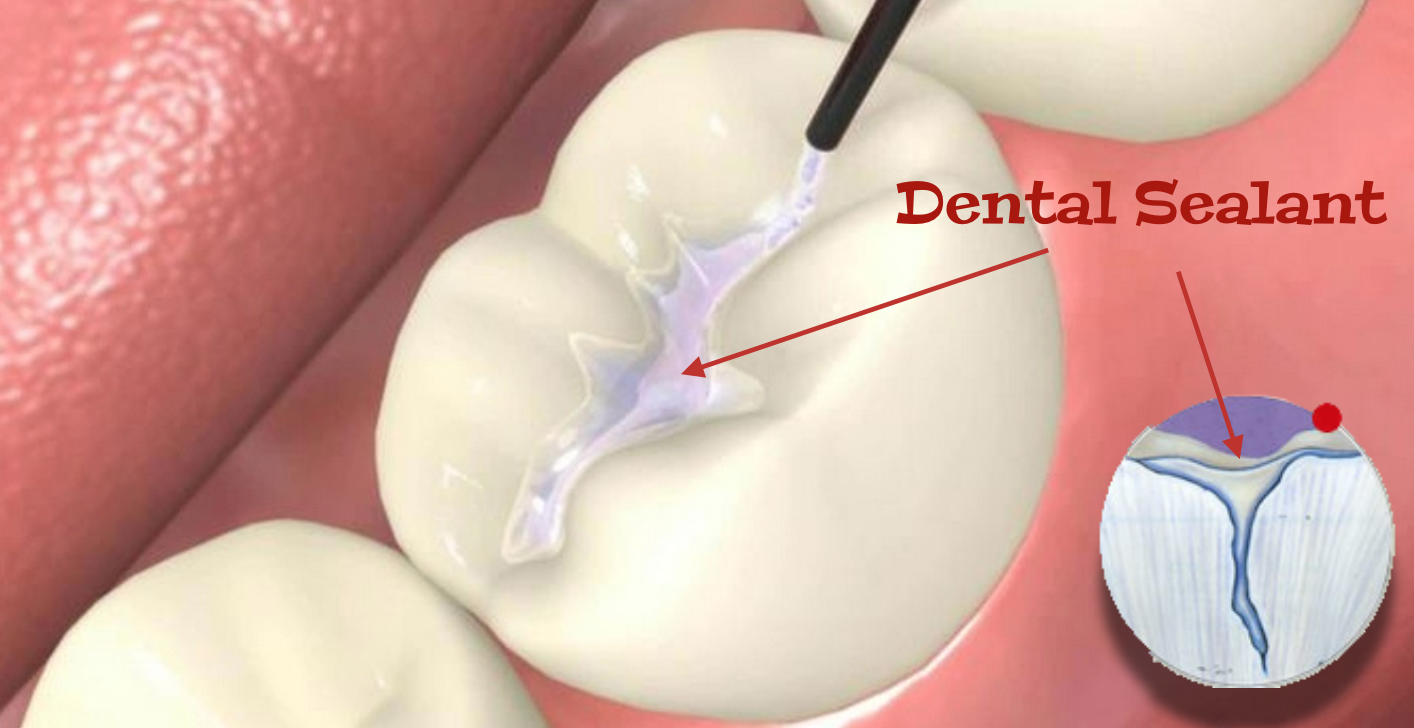
Dental sealants prevent cavities According to the American Academy of Pediatric Dentistry (AAPD), 90% of all the cavities in school age children occur in the deep pits and fissures of teeth. It is for this reason that sealants are so…
If You Play Hard, Wear a Guard: The Importance of Mouthguards in Sports Injuries: It's part of the game It's estimated that around 30 million children are involved in organized sports throughout the US. While these sports are important for…
The pulp in your child's teeth is the tissue, nerves and blood vessels filling the interior cavity and root canals of a tooth. The function of the pulp is to provide a blood supply with oxygen and nutrients for the…
The Benefits of Fluoride in Children Fluoride is an amazing element. It is a key ingredient in Teflon as well as America’s favorite antidepressant, Prozac, but fluoride is also essential to everyone’s dental health. In the 1940s most US cities…
In addition to compiling a thorough medical and dental history of a child by performing an in-depth clinical examination, Pediatric Dentists often use Dental Radiographs, or x-rays for purposes diagnostic and preventative dentistry. What are the Benefits of Dental Radiographs…
Oral habits and their effects on your child's developing smile Many children from very early on will develop what is known as non-nutritive oral habits. Some of you may even have sonogram pictures of your little one with his or…