
Pediatric Dental Crowns: When and Why Kids Need Them
Reviewed by Dr. Paul Rubin
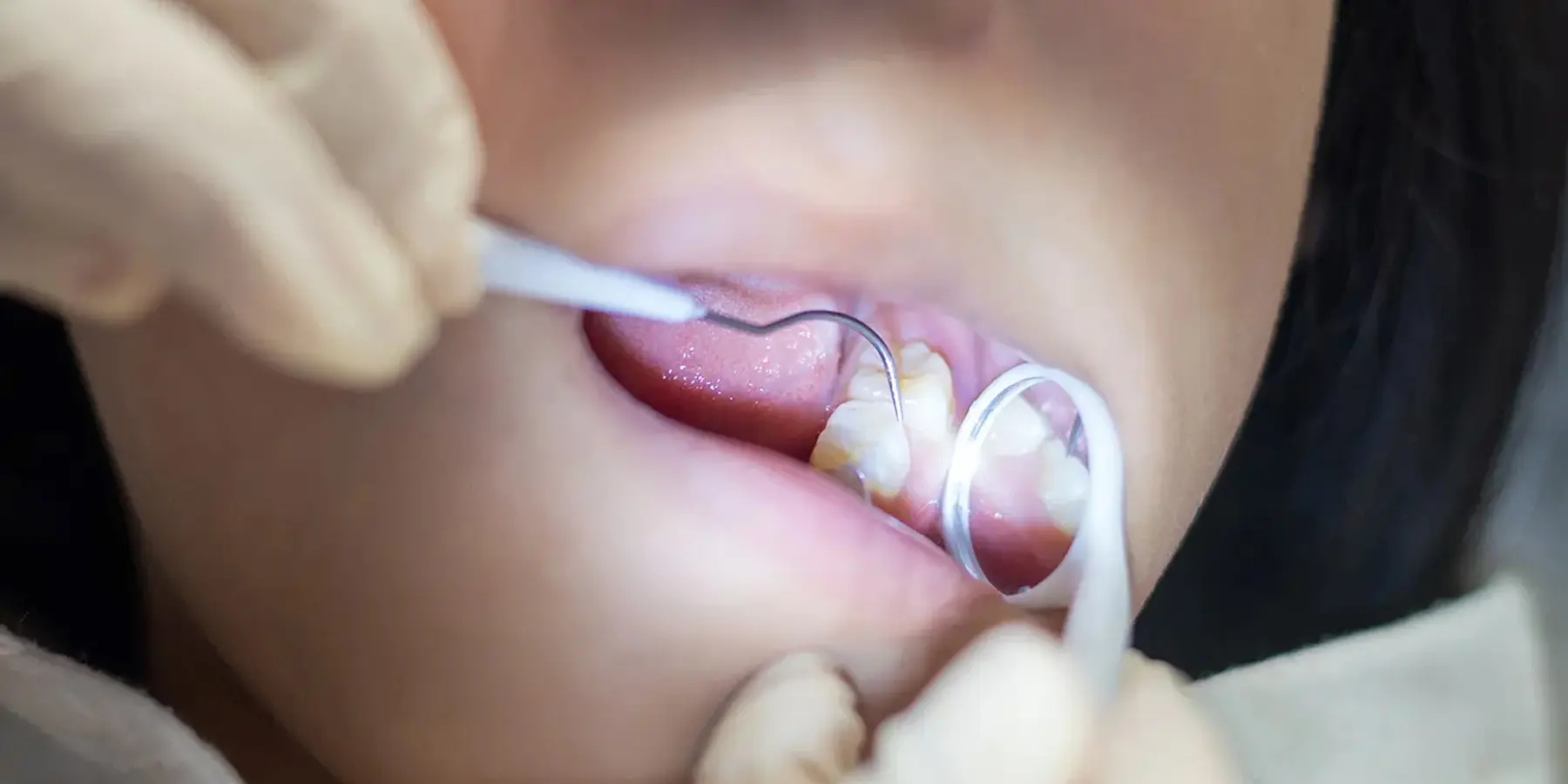
If your child has extensive decay or damage to a tooth, we may recommend a dental crown instead of a filling. Pediatric dental crowns are used when a tooth needs full coverage to restore strength and function. Even though baby teeth are temporary, protecting them helps prevent infection, maintain proper spacing, and support healthy oral development.
Table of Contents
What is a Pediatric Dental Crown?
A pediatric dental crown is a protective covering placed over a damaged or weakened tooth. Rather than restoring a single area, the crown covers the entire tooth to restore strength and allow it to function normally until it falls out naturally.
Dental crowns for kids are typically recommended when a baby tooth has too much damage for a filling to last. At Lonestar Kid’s Dentistry, we select crown materials based on the location of the tooth, the extent of damage, and your child’s individual needs.
The goal is always to protect the tooth, maintain comfort, and support healthy oral development without unnecessary treatment.
Why Dentists Recommend Crowns on Baby Teeth
Baby teeth are temporary, but they play an important role in your child’s oral health and development. When a tooth has significant damage, a filling alone may not provide enough protection or stability.
Crowns on baby teeth are commonly recommended to:
- Protect teeth with extensive decay
- Restore teeth after injury or fracture
- Strengthen teeth following pulp therapy or nerve treatment
- Reduce the risk of infection spreading to nearby teeth or gums
- Preserve proper spacing for incoming adult teeth
- Leaving a damaged tooth untreated can increase the risk of discomfort, infection, or early tooth loss, which may lead to additional dental concerns as your child grows.
- Leaving an untreated cavity on a baby tooth can also spread to the adult tooth developing underneath the baby teeth, causing permanent damage to the adult tooth.
Why We Try to Save Baby Teeth Instead of Removing Them
When a baby tooth is severely damaged, some parents ask whether removing the tooth is a better option. In many cases, we recommend preserving the tooth when it can be done safely.
Baby teeth support chewing, speech development, and proper spacing for incoming adult teeth. Losing a tooth too early can allow nearby teeth to shift, which may affect how permanent teeth come in.
A dental crown helps keep the tooth in place and functioning until it is ready to fall out naturally. By saving the tooth rather than extracting it, we help support healthy oral development and reduce the risk of spacing or alignment concerns later on.
Partner With Lonestar Kids Dentistry
We believe parents should feel informed and supported when making decisions about their child’s dental care. Our team takes the time to answer questions, explain findings, and recommend care that supports healthy development at every stage. By building a long-term partnership, we help families address concerns early and keep growing smiles on track.
To book an appointment at our pediatric dental office in McKinney, TX, call (214) 436-5555, request an appointment online or visit us at 5323 W University Dr #100, McKinney, Texas.
📍Other locations
Lonestar Kid’s Dentistry in Frisco, TX
Lonestar Kid’s Dentistry in Prosper, TX
FAQ
A dental crown is designed to function like a natural tooth. Avoid very sticky or hard foods that can place extra stress on the crown. Items like caramels, hard candy, and ice can increase the risk of loosening or damaging the crown.
If a crowned tooth is lost earlier than expected, the dentist will evaluate whether a space maintainer is needed to protect your child’s overall dental health and guide proper tooth development.
Most children experience little to no pain during treatment, and any discomfort afterward is usually mild and short-lived.