
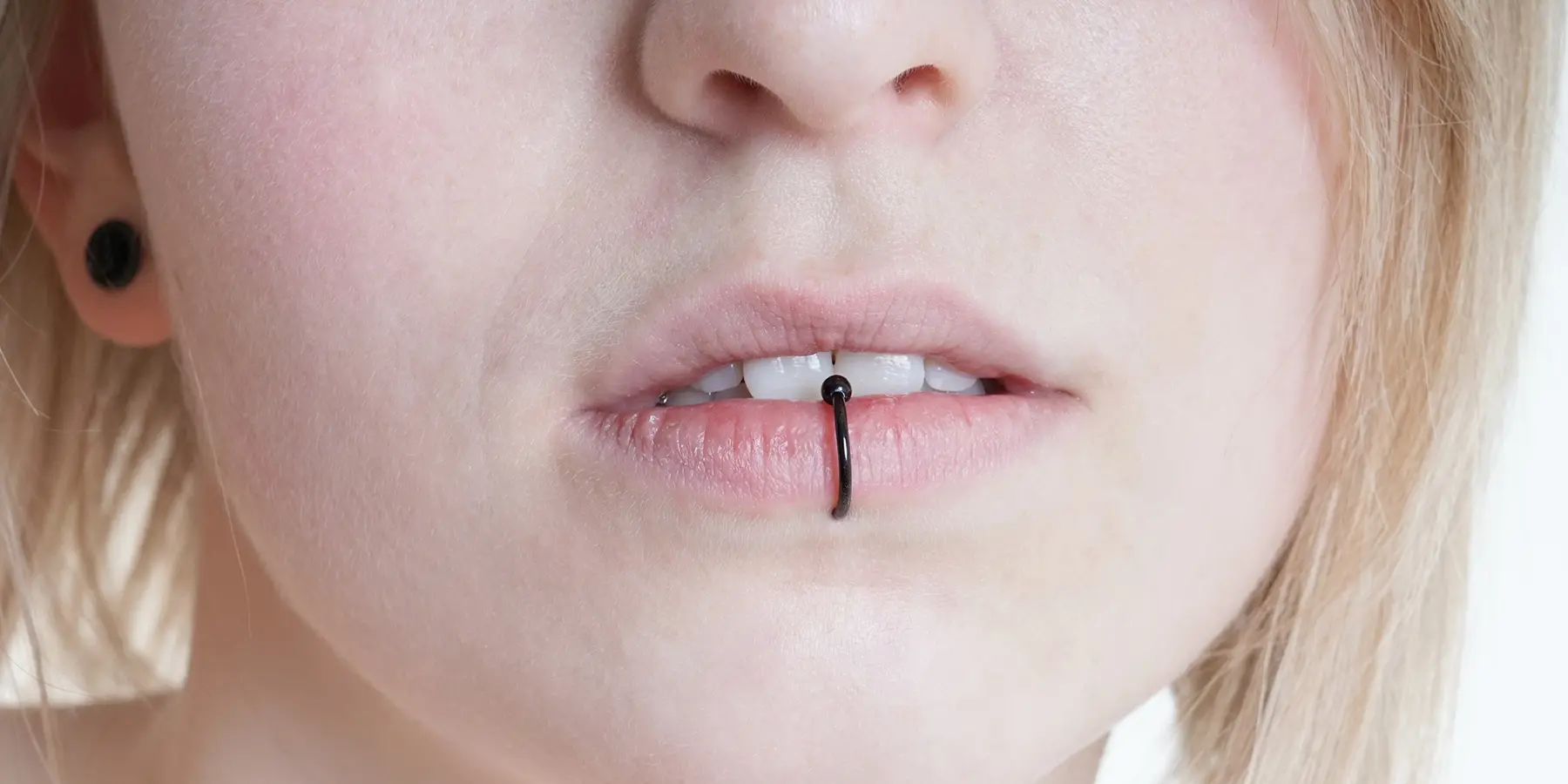
Dental Risks of Tongue and Lip Piercings
Reviewed by Dr. Paul Rubin
Tongue and lip piercings are common among teens and often feel like a harmless way to express personal style. What many parents and teens don’t realize is how quickly these piercings can affect teeth and gums.
We care for growing smiles in Frisco, McKinney, and Prosper, TX with gentle, kid-focused dental care.
How Oral Piercings Can Damage Teeth and Gums
Tongue and lip piercings introduce hard jewelry into the mouth, where constant contact with teeth and gums can lead to damage over time.
We often see:
- Chipped or cracked teeth: Biting or tapping jewelry against enamel weakens tooth structure over time.
- Enamel wear: Constant rubbing thins enamel, which increases sensitivity and cavity risk.
- Gum recession: Jewelry resting against the gums can cause tissue to pull away from the teeth, exposing roots.
- Soft tissue injury: Swelling, ulcers, or scar tissue may form around the piercing site.
These changes often develop gradually, which makes them easy to miss until visible damage appears.
Increased Risk of Infection and Inflammation
The mouth naturally contains bacteria. A piercing creates an opening that allows bacteria to enter soft tissue more easily.
Infection risk rises because:
- Jewelry traps plaque and food debris
- Swollen tissue limits effective cleaning
- Bacteria can spread to surrounding gums or nearby teeth
Redness, ongoing swelling, pain, discharge, or a bad taste can signal infection. In more serious cases, infection may affect deeper tissues.
Speech, Chewing, and Bite Changes
Tongue and lip piercings can interfere with normal oral function. Even small changes in tongue or lip movement may affect how teeth come together.
Possible functional issues include:
- Changes in speech clarity
- Discomfort while chewing
- Uneven pressure on certain teeth
- Jaw or muscle strain from avoiding the jewelry
Over time, uneven pressure can contribute to abnormal wear or bite imbalance.
Long-Term Dental Complications Parents Should Know
Some risks extend well beyond the healing phase. Even when a piercing appears stable, ongoing contact can lead to lasting dental problems.
Long-term concerns include:
- Repeated tooth repairs from chipping
- Permanent gum recession that does not reverse
- Higher cavity risk near worn tooth enamel
- Need for bonding, crowns, or gum treatment
These issues often develop gradually, which is why regular exams and cleanings are important for teens with oral piercings.
Can Oral Piercings Be Made Safer?
The impact of oral piercings on teeth and gums depends on several controllable factors.
If you have a piercing, we recommend:
- Shorter or non-metal jewelry
- Avoid habits like clicking or chewing on the piercing
- Maintain consistent oral hygiene
- Schedule regular dental exams and cleanings to monitor changes
Early monitoring helps identify problems before they become more complex.
Protecting Your Teen’s Smile
If your teen has a tongue or lip piercing or is considering one, it’s important that they understand how to minimize the risks to their oral health.
If you have questions about oral piercings or would like to book an appointment at our pediatric dental office in McKinney, TX, call (214) 436-5555 or visit us at 5323 W University Dr #100, McKinney, Texas.
📍 Other locations
Lonestar Kid’s Dentistry in Frisco, TX
Lonestar Kid’s Dentistry in Prosper, TX
FAQs
Repeated contact between metal jewelry and enamel commonly leads to tooth chipping or cracks, especially during chewing or speaking.
Lip jewelry can rub against the gums, which may cause tissue to recede and expose tooth roots, affecting long-term dental health.
Oral piercings increase the risk of bacterial infections, particularly during healing or when plaque and debris collect around the jewelry.
We recommend removing jewelry during exams so we can fully evaluate teeth, gums, and surrounding tissues without irritation or obstruction.
Lip piercings can rest against teeth and gums for long periods, which increases the risk of enamel wear, gum recession, and long-term dental damage.