


Reviewed by Dr. Paul Rubin
Reading time: 3 minutes
Baking soda toothpaste can help clean teeth, but baking soda itself does not replace fluoride for cavity prevention. If you are choosing toothpaste for your child, look for one that contains fluoride rather than relying on baking soda alone.
We care for growing smiles in Frisco, McKinney, and Prosper, TX with gentle, kid-focused dental care.
How Baking Soda Works in Toothpaste
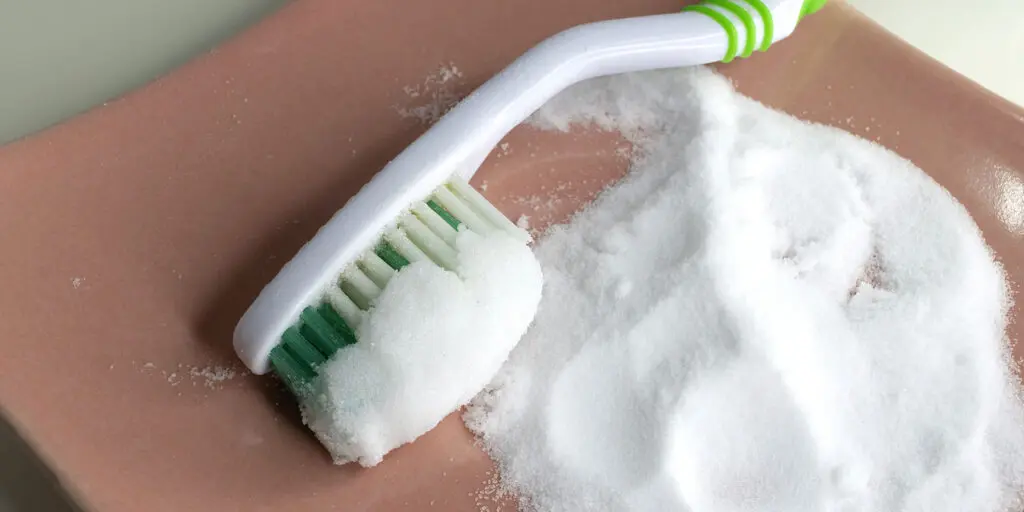
Baking soda, or sodium bicarbonate, is included in some toothpastes because it can help remove plaque and surface stains. It can also help neutralize acids in the mouth.
However, baking soda does not provide the same cavity protection as fluoride. Some baking soda toothpastes also contain fluoride, allowing the two ingredients to serve different purposes in the same product.
When comparing toothpastes, check the active ingredients rather than assuming every baking soda toothpaste provides the same protection against tooth decay.
Baking Soda vs. Fluoride for Cavity Prevention
Cavities develop when acids produced by bacteria cause minerals to leave tooth enamel. Fluoride helps make enamel more resistant to these acid attacks and supports remineralization of weakened enamel.
This is the key difference when comparing baking soda vs. fluoride. Baking soda primarily helps with cleaning and neutralizing acids, while fluoride has a direct role in protecting teeth against cavities.
Children should brush twice a day with an age-appropriate amount of fluoride toothpaste. For children at higher risk of tooth decay, we may recommend additional fluoride based on their individual needs.
What Should You Look for in Your Child’s Toothpaste?
The best toothpaste for your child should provide cavity protection while also being appropriate for their age and brushing habits. Look for fluoride as an active ingredient and check the packaging for any age recommendations or directions for use.
Flavor and texture can also make a difference. Strong mint flavors, foaming, or certain textures can make brushing unpleasant for some kids. Trying a milder flavor or different texture may help make twice-daily brushing easier.
If you are comparing products and are not sure where to start, our guide to choosing toothpaste for kids explains what to consider at different ages.
Other Ways to Help Prevent Cavities
Even a good fluoride toothpaste cannot prevent every cavity. How thoroughly your child brushes, how often they consume sugary foods and drinks, and their individual cavity risk can all affect whether decay develops.
Regular dental exams and cleanings allow us to check for early signs of decay and evaluate areas your child may be missing while brushing. We can also provide fluoride treatments during cleaning appointments when appropriate.
Dental sealants may provide additional protection for cavity-prone back teeth by covering the deep grooves where food and bacteria can collect.
Help Protect Your Child’s Teeth From Cavities
If you are unsure whether your child’s toothpaste provides the cavity protection they need, bring it with you to their next visit. We can review the ingredients and recommend an option based on your child’s age and cavity risk.
To book an appointment at our pediatric dental office in Frisco, call (214) 618-5200 or visit us at 6801 Warren Parkway, Ste 115, Frisco, TX.
📍Other locations
Lonestar Kid’s Dentistry in McKinney, TX
Lonestar Kid’s Dentistry in Prosper, TX
FAQs
Baking soda toothpaste is generally formulated to clean teeth without damaging enamel when used as directed. Choose a commercially formulated toothpaste rather than brushing with baking soda on its own.
Fluoride toothpaste can be used as soon as a child’s first tooth appears. Young children only need a very small amount, and parents should supervise brushing until they can reliably brush and spit on their own.
Children under age three should use a smear of fluoride toothpaste about the size of a grain of rice. From ages three to six, use a pea-sized amount and supervise brushing to help limit swallowing.
Swallowing the small amount of toothpaste used during normal brushing is generally not a concern. If your child swallows a large amount of toothpaste, contact Poison Control or their healthcare provider for guidance.