


Reviewed by Dr. Paul Rubin
Reading time: 3 minutes
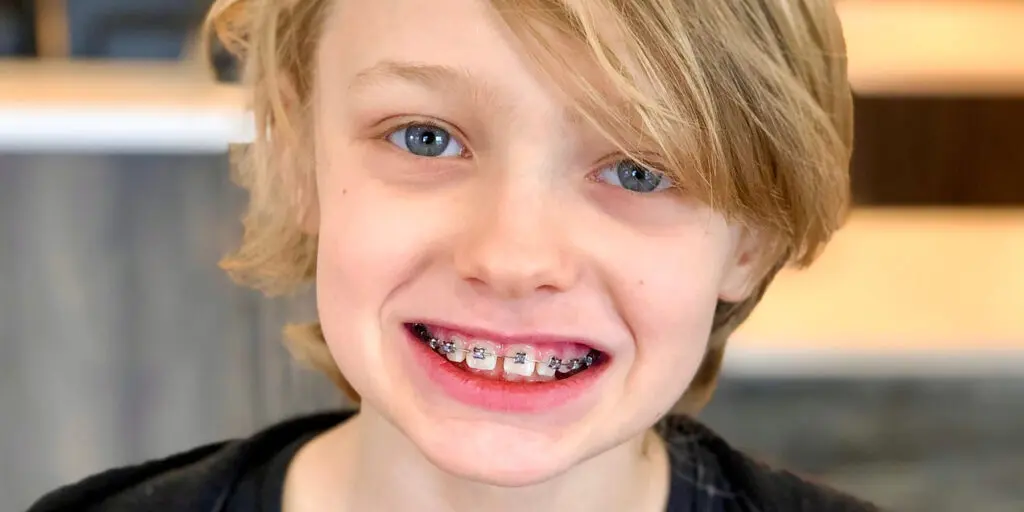
Kids can wear a mouthguard with braces, and doing so is especially important during sports that could result in a blow to the mouth or face. The mouthguard needs to fit comfortably over the brackets and wires without interfering with orthodontic treatment.
We care for growing smiles in Frisco, McKinney, and Prosper, TX with gentle, kid-focused dental care.
How a Mouthguard Protects Teeth and Braces
A blow to the mouth can push brackets and wires against the lips and cheeks, causing cuts or other soft-tissue injuries. It can also damage orthodontic appliances or injure the teeth.
A properly fitted mouthguard cushions the teeth from impact while creating a protective barrier between the braces and the inside of the mouth. Kids should wear a mouthguard during both practices and games whenever their sport involves a risk of contact or falls.
What Kind of Mouthguard Works With Braces?
The mouthguard needs enough room to fit comfortably over the brackets and wires. It should also allow for continued tooth movement throughout orthodontic treatment.
A mouthguard that fits too tightly may become uncomfortable as the teeth shift. It can also be difficult to put on or remove if it was not designed with braces in mind.
At Lonestar Kid’s Dentistry, our custom mouthguards are made to fit a child’s individual mouth. When a child has braces, we can evaluate their orthodontic appliances and help determine an appropriate protective option.
Can You Wear a Regular Mouthguard With Braces?
Some over-the-counter mouthguards are specifically designed for use with braces, but a standard mouthguard may not provide enough room for brackets or ongoing tooth movement.
Boil-and-bite mouthguards can also vary considerably in fit. If the material adapts too closely around brackets, the guard may become uncomfortable as the teeth move.
The most important consideration is fit. A mouthguard should stay securely in place without pressing tightly against orthodontic appliances or making it difficult for your child to breathe or speak.
When Does a Mouthguard Need to Be Replaced?
Braces gradually change the position of the teeth, so a mouthguard that fits well at the beginning of treatment may not fit the same way several months later.
Check the fit regularly and have your child tell you if the mouthguard begins to feel tight, uncomfortable, or difficult to remove. A guard that becomes damaged or no longer fits properly should be evaluated and replaced when necessary.
Children who are still growing may need replacements for the same reason, even if they are not undergoing orthodontic treatment.
How to Clean and Store a Sports Mouthguard
Cleaning and storing the mouthguard properly helps keep it comfortable and hygienic.
After each use:
- Rinse the mouthguard with cool water
- Clean it regularly with a soft toothbrush and mild soap
- Allow it to dry before storing it
- Keep it in a ventilated protective case
- Avoid hot water, which can distort the material
- Check it regularly for cracks, worn areas, or changes in fit
Bringing the mouthguard to your child’s dental appointments also gives us an opportunity to check its condition and fit.
Protect Your Child’s Teeth While They Play
If your child has braces and needs a mouthguard for sports, we can evaluate their orthodontic appliances and provide a custom mouthguard based on their current fit and stage of treatment.
To book an appointment at our pediatric dental office in Prosper, TX, call (469) 228-4402, or visit us at 240 S. Preston Road, Suite 10 Prosper, TX 75078.
📍Other locations
Lonestar Kid’s Dentistry in Frisco, TX
Lonestar Kid’s Dentistry in McKinney, TX
FAQs
Mouthguards are particularly important for contact and collision sports such as football, hockey, lacrosse, basketball, martial arts, and wrestling. They can also be useful for activities where falls or contact with equipment could injure the mouth.
A properly fitted mouthguard should protect braces rather than damage them. Problems are more likely when a guard fits too tightly, catches on brackets, or no longer fits as the teeth move.
No. Your child should remove their retainer before playing sports and wear their sports mouthguard instead. The retainer can be put back in after the activity once the mouthguard is removed.